Collision Training
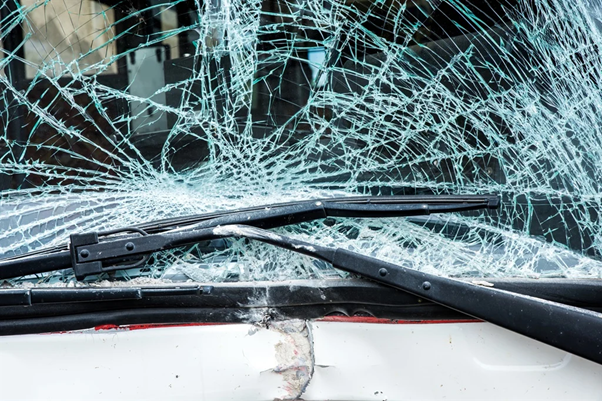
The physics of collisions
The course is designed to provide the information to enable delegates to carry out investigations, identify immediate and underlying causes and write a meaningful reports.
Our collision investigation training will give you a broad understanding of the collision investigation process, looking at the benefits of accident prevention and putting the emphasis on practical training exercises and real-life case studies. Training is suitable for line managers, supervisors, safety representatives – and anyone with the responsibility for investigating collisions. It will enable organisations to meet their moral and legal obligations to investigate accidents and incidents and learn from safety failure.
We designed this course to ensure that every student leaves with a firm grasp on the physics of collisions as well as all the factors that contribute to them.
Giving the student the nessecary skillset to tackle Collision investigations.
Modules
1-Basics:
1.1) PERCEPTIONAL PSYCHOLOGY
1.1.1 Relationship between perception, attention, and awareness
1.1.2 Perception thresholds and precision factor
1.1.3 Sense
1.1.4 Obedience
1.1.5 Vestibular system and tension
1.1.6 Conclusion
1.2) REACTION
1.2.1 Simple reaction, go-no-go, choice reaction
1.2.2 Processing state model of response time
1.2.3 Further sources of influence on the reaction time
1.2.4 Recommendations for measuring the response time of drivers
1.3) BIOMECHANICS
1.3.1) The different areas of biomechanics
1.3.2) History of trauma biomechanics
1.3.3) Basis of the knowledge of trauma biomechanics
1.3.4) Injury mechanisms, load limits, injury, and protection criteria
1.3.5) Conclusion
1.4) POSSIBLE QUESTIONS
1.4.1) Types of tracks
1.4.2) Crime thinking
1.4.3) Documentation
1.4.4) Clothing Fibers
1.4.5) DNA traces
1.4.6) Skin prints
1.4.7) Blood trace distribution pattern
1.4.8) Contamination, effectiveness, and recovery
1.4.9) Police vs. vehicle technical and crime biological assessment
1.5) METEROLOGY
1.5.1) Wind speed
1.5.2) Wind direction
1.5.3) Visibility
1.5.4) Smoothness
1.5.5) opinion of DWD
1.6) POSITION OF THE SUN AND TWILIGHT BRIGHTNESS
1.6.1) Calculate the position of the sun
1.6.2) Shadows
1.6.3) Twilight brightness
1.6.4) Conclusions
1.7) ROAD CONSTRUCTION
1.7.1) Regulations and guidelines
1.7.2) Cross-sectional structure
1.7.3) Line guidance
1.7.4) Nodes
1.7.5) Road markings
1.7.6) Control facilities
1.7.7) Application of traffic signs
1.7.8) Securing jobs
1.7.9) Road structure
1.8) PHOTOGRAMETRY
1.8.1) Record situation
1.8.2) Keeping point procedure
1.8.3) Internal and external orientation
1.8.4) Determining the key points
1.8.5) Mono-picture equalisation programs
1.8.6) Examples of four-point equalization
1.8.7) Escape point constructions
1.8.8) Exterior and inner orientation
1.8.9) Summary
1.9) BASIC LEGAL KNOWLEDGE
1.9.1) The expert in court proceedings
1.9.2) Basis of the right of evidence
1.9.3) Evidence
1.9.4) Liability and claim bases
1.9.5) Consequences for the expert
1.10) THE LANGUAGE OF THE OPINION
1.10.1) Minimal requirements
1.10.2) Basic concept of the text
1.10.3) The words level
1.10.4) Style questions
1.10.5) Telling times
1.10.6) Punctuation
1.10.7) Rules for the font
1.10.8) The linguistic perfection
1.11) MATHEMATICAL HAND LUGGAGE
1.11.1) Nomenclature
1.11.2) Matrices and vector calculations
1.11.3) Differential equations
1.11.4) Statistics
1.11.5) Numerical integration
1.11.6) Digital filtering
1.12.7) Compensation calculation
2 - SUBJECT SPECIFIC BASIS
2.1) OUTLET ANALYSIS
2.1.1) Friction work
2.1.2) Exit direction
2.1.3) Slip delay
2.1.4) Road slope
2.1.5) Run-out analysis using finite rotations
2.1.6) Overturned by curbs
2.1.7) Run-out analysis via forward stimulation
2.1.8) Lasting values
2.1.9) Summary
2.2) COLLISION MECHANICS
2.2.1) Inertial systems
2.2.2) Invariants
2.2.3) Contact models
2.2.4) Spring mass model
2.2.5) Algebraic contact models
2.2.6) Two-dimensional case
2.2.7) One-dimensional backward calculation
2.2.8) Eccentric collisions
2.2.9) What to do?
2.2.10) Summary
2.3) AWAY TIME CONSIDERATIONS
2.3.1) The away time diagram a discontinued model
2.3.2) Graphical or arithmetical representation
2.3.3) Aids
2.3.4) Practical considerations
2.3.5) Structure of the path-time diagram
2.3.6) Connection of the movement lines in the distance-time diagram
2.3.7) Labels in the time-travel diagram
2.3.8) Reportability
2.3.9) Variables of a voidability assessment
2.3.10) Obstacles to sight
2.3.11) Examples of solutions in the path-time diagram
2.3.12) Summary
2.4) THE BRAKING PROCESS
2.4.1) What is a braking track?
2.4.2) Expiry of a braking
2.4.3) Swell time
2.4.4) Average full brake deceleration
2.4.5) Nod the brakes
2.4.6) Delay values
2.4.7) Special road surface
2.4.8) Cornering braking with ABS
2.4.9) Influence of internal tire pressure
2.5) DRIVING OPERATIONS
2.5.1) Approximations
2.5.2) Car
2.6) SUSTAINED VALUES FOR ACCELERATIONS
2.6.1) Trucks and Vans
2.6.2) Busses
2.6.3) Two-wheeler
2.6.4) Agricultural vehicles
2.7) UNSTEADY MOVEMENTS
2.7.1) General kinematic relationships from theory to practice
2.7.2) Simple forms of movement
2.7.3) Compound movements
2.7.4) Motorcycle braking-exponential approach
2.7.5) Speed-dependent braking
2.7.6) Breaking on wet roads
2.8) LIGHT SIGNAL SYSTEMS
2.8.1) Structural requirements
2.8.2) Phasing
2.8.3) Fixed time control
2.8.4) Traffic-dependent control
2.8.5) Central control
2.8.6) signal protection
2.8.7) interim matrix
2.8.8) Release times
2.8.9) Connection and disconnection diagrams
2.8.10) Traffic documentation
2.8.11) Case study 1
2.8.12) Case study 2
2.8.13) Summary
3 - COMPUTER-AIDED WORK
3.1) STANDARD PROGRAMME
3.1.1Word processing
3.1.2) Spreadsheet
3.1.3) CAD
3.1.4) Signal processing
3.1.5) Scientific Programme
3.1.6) Tools
3.1.7) Internet
3.2) DIGITAL BILLING AND VIDEO EDITING
3.2.1) Save the information
3.2.2) Basic Image editing
3.2.3) Advanced Techniques
3.2.4) Video editing
3.2.5) Which programs do you need
3.2.6) Summary
3.3) SIMULATION PROGRAMS
3.3.1) Mathematical fundamentals
3.3.2) PC CRASH
3.3.3) CARAT
3.3.4) Analyser pro
4 - EVIDENCE SECURITY AND METROLOGY
4.1) MEASUREMENTS OF UNFILLED AREAS
4.1.1) Attention
4.1.2) Equipment
4.1.3)Where is the accident site
4.1.4)At the accident site
4.1.5) General measurement methods
4.1.6) Finished drawings
4.1.7) Measuring curves
4.1.8) Measuring angles
4.1.9) Road gradients
4.1.10) High profiles
4.1.11) Special problems
4.1.12) Protect yourself
4.1.13) Measurement accuracy
4.1.14) Additional Data
4.1.15) Combination of measuring methods
4.1.16) Graphic representation
4.1.17) Dimensions of common objects
4.2) ACCIDENT RECORIDNG
4.2.1) Equipment
4.2.2) Order acceptance
4.2.3) Approach
4.2.4) Preservation of evidence at the scene of the accident
4.2.5) Preservation of evidence on the vehicles
4.2.6) Additional evidence for pedestrian accidents
4.2.7) Police Data
4.2.8) Subsequent preservation of evidence
4.2.9) Postprocessing
4.3) ACCIDENT TRACKS ON THE ROADWAY
4.3.1) Lanes Breaking and blocking tracks
4.3.2) Footsteps
4.3.3) Breaking and blocking tracks
4.3.4) Drift tracks
4.3.5) Eye Traces
4.3.6) Scratches/scuffs
4.3.7) Sanding Marks
4.3.8) Operating Fluid Traces
4.3.9) Conclusion
4.4) PHOTOGRAPHIC DOCUMENTATION
4.4.1) Chemically or digitally
4.4.2) The right equipment
4.4.3) Practical use
4.5) DIGITAL PHOTOGRAPHY
4.5.1)Digital images
4.5.2) Camera
4.5.3) Choosing a camera
4.5.4) Computer monitor
4.5.5) Printouts
4.5.6) Evaluation of digital images
4.5.7) Recognised images falsifications/ manipulations
4.6) TECHNICAL EQUIPMENT
4.6.1) Basic equipment
4.6.2) Measurement
4.6.3) Microscopes
4.6.4) Technical research
4.6.5) Acceleration measuring devices
4.6.7) Speedometers
4.6.8) High speed cameras
4.6.9) Sound level meters
4.6.10) Luminance meters
4.7) EXAMINATIONS FOR TECHNICAL DEFECTS
4.7.1) Commissioning
4.7.2) Tools
4.7.3) Vehicle identification
4.7.4) Wheels and tires
4.7.5) Landing gear
4.7.6) Traces and damages
4.7.8) Motor and drive
4.7.9) Braking system
4.7.10) Steering system
4.7.11) Seat belts
4.7.12) General instructions
5 - ACCIDENT TYPES
5.1) THE PEDESTRIAN ACCIDENT
5.1.1) Dynamics of the accident sequence
5.1.2) Factors influencing the course of the collision
5.1.3) Test results and reconstructions parameters
5.1.4) Special stimulus configurations
5.1.5) Reconstruction of the collision site
5.1.6) Physical and physiognomic characteristics of human beings
5.1.7) Movement speeds
5.1.8) Summary
5.2) BIOMECHANICS OF PEDESTRIAN ACCIDENTS
5.2.1) Types of collision and questions for the expert
5.2.2) Injury frequencies
5.2.3) Injury severity exposure limit values
5.2.4) Injuries in the contact phase
5.2.5) Road impact, slip phase, tertiary impact
5.2.6) Injuries with partial and graffiti
5.2.7) Injuries when rolling over
5.2.8) Assessment of the approach direction
5.2.9) Collision speed estimate
5.2.10) Allocation of injuries in the event of multiple collisions
5.2.11) The rolled over has lain on the street
5.2.12) Reference to the vehicle causing the damage
5.3) THE DARK ACCIDENT
5.3.1) Basic previews
5.3.2) The traffic
5.3.3) Photometric measurements
5.3.4) Useful examples
5.3.5) Outlook
5.4) THE BICYCLE ACCIDENT
5.4.1) Terms
5.4.2) Start with the front of the vehicle
5.4.3) Damage and marks on the vehicle
5.4.4) Collision location
5.4.5) Speed of the car
5.4.6) Speed of the cyclist
5.4.7) Special aspects of voidability
5.4.8) Start at the bikes own speed
5.4.9) Moped
5.4.10) Summary
5.5) THE ENGINE CRASH
5.5.1) Phase-out
5.5.2) Collision Phase
5.5.3) Run-in phase
5.5.4) Driving dynamics
5.5.5) Solo accident
5.5.6) Injury pattern
5.5.7) Engine tires
5.5.7) Hard hat
5.5.8) Summary
5.6) THE ONCOMING TRAFFIC ACCIDENT
5.6.1) Puff constellation
5.6.2) Collision types
5.6.3) Collisions Mechanics Basics
5.6.4) Collisions location
5.6.5) Case studies
5.6.6) Summary
5.7. THE OBSTACLE ACCIDENT
5.7.1) Dimensions of traffic signs and protective devices
5.7.2) Typical damage patterns
5.8) THE TRUCK ACCIDENT
5.8.1) Vehicle Classes
5.8.2) Special rules
5.8.3) Tires
5.8.4) Field of view
5.8.5) Load-securing
5.8.6) Driving dynamics
5.8.7) Tilt
5.8.8) Change of lane
5.8.9) Falling stones
5.8.10) Summary
5.9. THE WILD ACCIDENT
5.9.1) Wildlife accident recordings
5.10) SERIAL COLLISIONS
5.10.1) Damage severity and intensity
5.10.2) Variants for a chain collision
5.10.3) An example from practice
5.10.4) Accident tests and examples
5.10.5) Chain collision between four trucks
5.10.6) Postponing a moving car
5.10.7) Bulk pile
5.10.8) Conclusion
5.11) ANALYSIS OF A MINOR CAR COLLISION
5.11.1) Driven or struck
5.11.2) Forward or backward
5.11.3) How far was the door open
5.11.4) Who has changed lane
5.11.5) Method of preparation of expert opinions
6 - SPECIAL QUESTIONS
6.1) INSURANCE FRAUD WITH MOTOR VEHICLES
6.1.1) Fraud detection through analyst reports
6.1.2) The 4 main types of fraud
6.1.3) Preservation of evidence in the event of suspected fraud
6.1.4) Compatibility
6.1.5) Plausibility
6.1.6) How a fraud cooperation works
6.1.7) Stimulated injuries
6.1.8) Special problems in general liability insurance
6.1.9) Damage events with suicidal intent
6.1.10) Manual Damage Amplification
6.2. TECHNICAL BIOMECHANICAL ACCIDENT ANALYSIS
6.2.1) Technical parameters
6.2.2) Generally tolerable loads
6.2.3) Technical stress on the cervical spine
6.2.4) Occupant movement
6.2.5) Conclusion
6.3) PERCENPITBILITY OF SMALL COLLISIONS
6.3.1) Task
6.3.2) Connect
6.3.3) Basic procedure
6.3.4) Physiological basis
6.3.5) Sensory channels and perceptibility
6.3.6) Grazing collisions in passing traffics
6.3.7) Bump against a stale two-wheeler
6.3.8) Noticeability of bumps in the drivers cab of trucks
6.3.9) Published experiments and publications
6.3.10) Ridicule
6.3.11) Recommendations for future attempts
6.4) AIRBAG TECHNOLOGY
6.4.1) Basic knowledge of the design of restraint systems
6.4.2) Legal requirements for the restraint system
6.4.3) Consumer tests
6.4.4) Requirements for the airbag as a component
6.4.5) Installation of the airbags
6.4.6) The gauges for activation of an airbag
6.4.7) Pedestrian protection and use of pedestrian airbags
6.5) AIRBAG MALFUNCTIONS
6.5.1) Fundamental
6.5.2) Instructions on how to proceed
6.5.3) Examples
6.6) EVALUATION OF TACHOGRAPH DATA
6.6.1) Recording method
6.6.2) Preparing the recording
6.6.3) Evaluation of diagrams
6.6.4) Case studies
6.6.5) Summary
6.7) ACCIDENT DATA RECORDER
6.7.1) Distribution
6.7.2) Technology
6.7.3) Data recording and storage
6.7.4) Data transfer and data security
6.7.5) Software
6.7.6) Evaluation of the records
6.7.7) Other recording systems
6.7.8) Conclusion
6.8) INVESTIGATION OF VEHICLE LIGHT BULBS
6.8.1) Luminaire designs
6.8.2) Lamp types
6.8.3) Metal wire lamps
6.8.4) The gas discharge lamp
6.8.5) Examination on the vehicle
6.8.6) Investigation of incandescent lamps
6.8.7) Gas discharge lamps
6.8.8) Summary
6.9) TRAFFIC MEASUREMENT TECHNOLOGY USING THE CASH PAYMENT METHOD
6.9.1) fact parameters and calibration
6.9.2) Speed measurements methods
6.9.3) Red light monitoring system
6.9.4) Distance measurement
6.9.5) Summary
6.10) INLINE SKATER
6.10.1) Basic Structure
6.10.2) Designs
6.10.3) Typing the skater
6.10.4) Driving techniques
6.10.5) Braking techniques
6.10.6) Investigations on gross movement
6.10.7) Parameters for practice
6.10.8) Conclusion
6.11. PRODUCT LIABILITY
6.11.1) Product liability law
6.11.2) Producer liability under tort law
6.11.3) The equipment and product safety act
6.11.4) Technical guidelines
6.11.5) Obligations of the manufacturer
6.11.6) Product liability in the USA
6.11.7) Case studies
6.11.8) Rules for the preparation of reports
6.11.9) Example of an assessment
6.11.10) Summary
We are currently in the process of obtaining the below accreditations: